
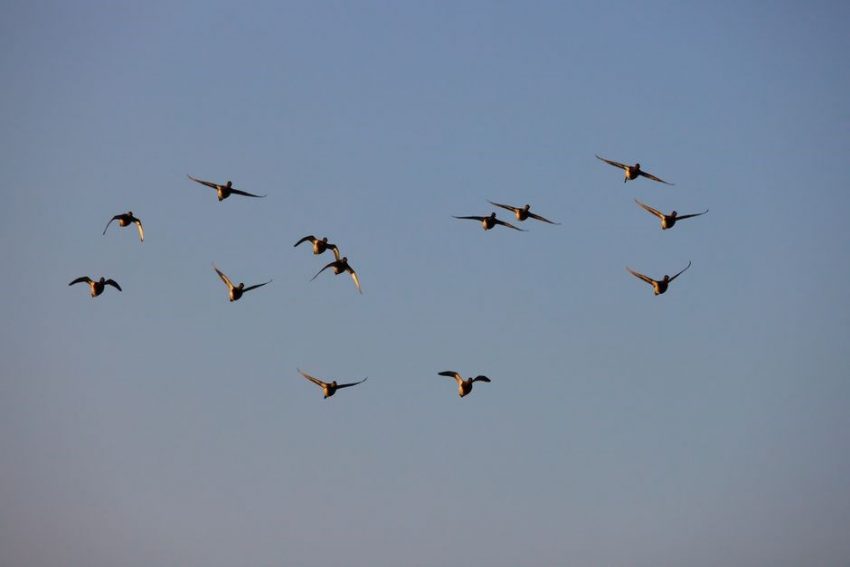
Overview of Guided Duck Hunting in Washington State
Washington’s guided duck hunts blend expert guides, prime wetlands, and seasoned hunters. Top outfitters like Burbank Duck & Goose Lodge and Big Guns Waterfowl Outfitters lead trips in the Columbia Basin, Puget Sound estuaries, and Olympic Peninsula, offering tailored gear, calls, and local knowledge. Enjoy hunting!
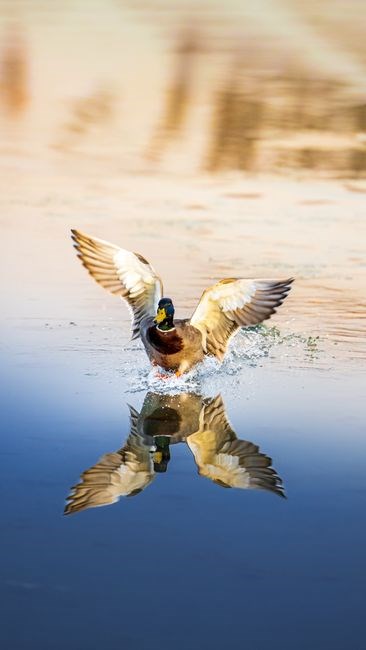
Key Duck Hunting Regions in Washington
Washington’s prime duck hunting zones span the fertile Columbia Basin, the tidal Puget Sound estuaries, and the Olympic Peninsula. Each area offers distinct habitats, from prairie wetlands to coastal marshes, attracting diverse species and providing guided hunts with local experts.!!! Guides tailor rout!!!!!Guide
Columbia Basin
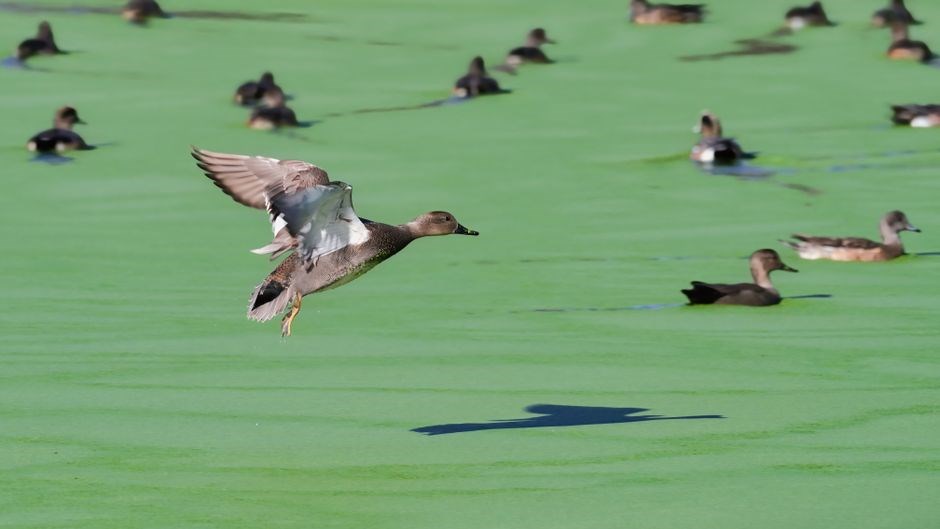
The Columbia Basin, stretching across eastern Washington, is a premier destination for guided duck hunting. Its vast network of rivers, reservoirs, and prairie wetlands supports a diverse array of waterfowl, including mallards, pintails, and the prized greenhead ducks. Guided hunts here are led by seasoned experts who possess intimate knowledge of the basin’s shifting water levels, migratory patterns, and optimal hunting spots. Outfitters such as Big Guns Waterfowl Outfitters specialize in this region, offering fully equipped trips that include high‑quality calls, camouflage gear, and local trail access. Hunters benefit from the basin’s relatively open terrain, which allows for clear sightlines and efficient stalking. Seasonal peaks in the spring and fall bring large congregations of ducks, making the Columbia Basin a hotspot for both novice and experienced hunters seeking a rewarding guided experience. The region’s accessibility, combined with the expertise of local guides, ensures that each hunt is both productive and memorable. Whether you’re after the elusive greenhead or simply enjoying the scenic backdrop of the Columbia River, the basin delivers an unparalleled guided duck hunting adventure. In addition, the basin’s extensive network of public and private water bodies offers hunters a variety of hunting styles, from shoreline stalking to wading in shallow flats. Many guides provide lessons on duck calling techniques tailored to the specific species found in the basin, enhancing success rates. The area also hosts annual waterfowl tournaments that attract competitive hunters, further showcasing the basin’s reputation as a top‑tier hunting ground. Local regulations require hunters to obtain a Washington state hunting license and a waterfowl permit, but guided outfitters typically handle all paperwork, allowing hunters to focus entirely on the hunt. The combination of abundant waterfowl, expert guidance, and the natural beauty of the Columbia Basin makes it a must‑visit destination for any duck hunting enthusiast This guided experience also offers educational tours of wildlife every habitats
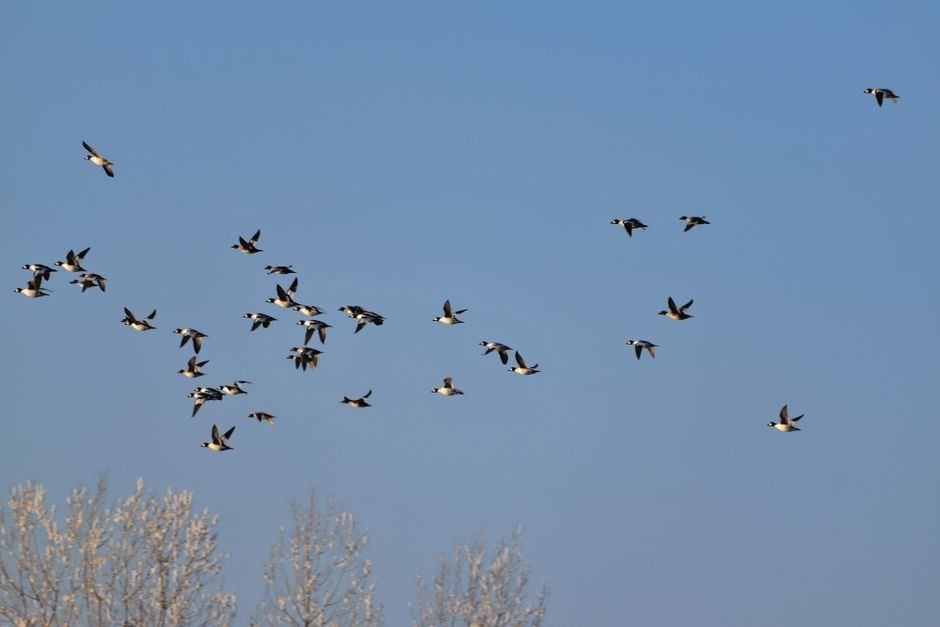
Puget Sound Estuaries
The Puget Sound estuaries, spanning the western coast of Washington, offer a unique guided duck hunting experience that blends coastal wetlands, tidal flats, and marshy islands. Guided hunts in this region are led by local experts who understand the complex tidal rhythms, wind patterns, and the diverse waterfowl species that thrive here, including the iconic blue‑backed and green‑backed teals, as well as the rare Pacific black‑legged ducks. Outfitters such as Burbank Duck & Goose Lodge and regional guides provide comprehensive packages that include high‑quality calls, camouflage attire, and access to private marshlands that are otherwise difficult to reach. Hunters benefit from the estuaries’ rich food resources—crustaceans, insects, and aquatic vegetation that attract large flocks during migration. The area’s shallow waters and extensive mudflats allow for effective wading and shoreline stalking, while the surrounding forested islands offer natural cover and concealment. Guided hunts often incorporate educational components, teaching participants about estuarine ecology, conservation practices, and sustainable hunting techniques. The Puget Sound’s proximity to major urban centers means that guided hunts are accessible to both seasoned hunters and newcomers, with many outfitters offering flexible scheduling and transport options. Seasonal peaks in spring and early summer bring a surge of migratory ducks, making the estuaries a prime time for guided hunting. All hunts require a Washington state hunting license and a waterfowl permit, but local outfitters typically handle the paperwork, allowing hunters to focus on the hunt. The combination of diverse species, expert guidance, and the breathtaking coastal scenery makes guided duck hunting in the Puget Sound estuaries a memorable and rewarding adventure for any waterfowl enthusiast. And the gentle glow of sunrise over the water as the mist lifts softly fading silently!
Olympic Peninsula
Guided duck hunting on the Olympic Peninsula offers unique experiences.Guided duck hunting on the Olympic Peninsula offers unique experiences.Guided duck hunting on the Olympic Peninsula offers unique experiences.Guided duck hunting on the Olympic Peninsula offers unique experiences.Guided duck hunting on the Olympic Peninsula offers unique experiences.Guided duck hunting on the Olympic Peninsula offers unique experiences.Guided duck hunting on the Olympic Peninsula offers unique experiences.Guided duck hunting on the Olympic Peninsula offers unique experiences;Guided duck hunting on the Olympic Peninsula offers unique experiences.Guided duck hunting on the Olympic Peninsula offers unique experiences.Guided duck hunting on the Olympic Peninsula offers unique experiences.Guided duck hunting on the Olympic Peninsula offers unique experiences.Guided duck hunting on the Olympic Peninsula offers unique experiences.Guided duck hunting on the Olympic Peninsula offers unique experiences.Guided duck hunting on the Olympic Peninsula offers unique experiences.Guided duck hunting on the Olympic Peninsula offers unique experiences.Guided duck hunting on the Olympic Peninsula offers unique experiences.Guided duck hunting on the Olympic Peninsula offers unique experiences.Guided duck hunting on the Olympic Peninsula offers unique experiences.Guided duck hunting on the Olympic Peninsula offers unique experiences.Guided duck hunting on the Olympic Peninsula offers unique experiences.Guided duck hunting on the Olympic Peninsula offers unique experiences.The misty mornings and pine scent create atmosphere.in the bay.
Popular Guided Hunting Lodges & Outfitters
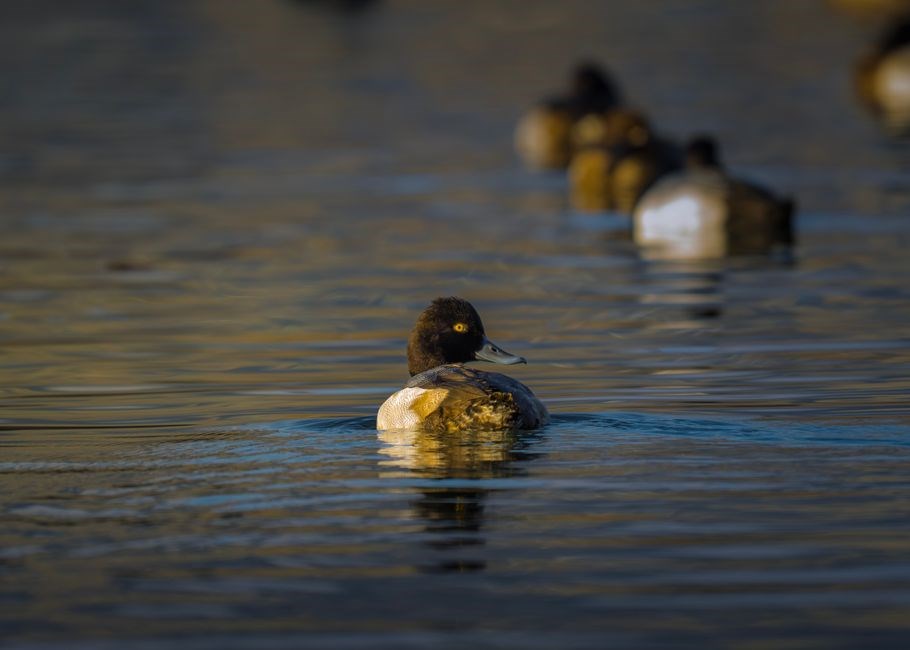
Washington’s top guided duck hunting lodges combine seasoned guides, prime wetlands, and top‑tier gear. Burbank Duck & Goose Lodge offers historic expertise and lush Columbia Basin access, while Big Guns Waterfowl Outfitters delivers premier hunts in Eastern Washington’s rich waterfowl habitats. Enjoy expert guidance.!!!
Burbank Duck & Goose Lodge
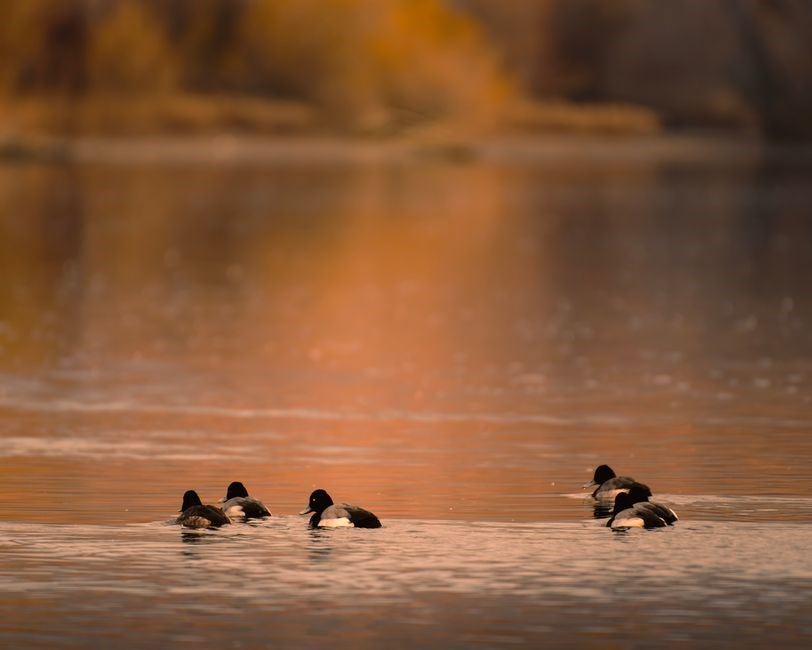
Located in the heart of Washington’s premier duck‑hunting region, Burbank Duck & Goose Lodge has been a cornerstone of guided waterfowl adventures for over three decades. The lodge’s seasoned guides bring a wealth of local knowledge, honed through years of scouting the Columbia Basin’s diverse wetlands, marshes, and riverbanks. Each guided outing is meticulously planned to maximize yield while preserving the natural habitat. Guests receive personalized coaching on duck‑calling techniques, optimal shooting angles, and ethical hunting practices. The lodge’s on‑site facilities include comfortable cabins, a fully equipped kitchen, and a communal fire pit that fosters camaraderie among hunters. Burbank’s commitment to sustainability is evident in its partnership with state wildlife agencies to ensure that hunting quotas are respected and that the local ecosystem remains healthy for future generations. Whether you’re a seasoned hunter or a newcomer eager to learn, Burbank Duck & Goose Lodge offers a memorable, responsible, and highly successful guided duck hunting experience in Washington State.
Guests also benefit from the lodge’s partnership with local conservation groups, ensuring that hunting practices align with ecological stewardship. The lodge’s experienced staff provide hands‑on instruction for novice hunters, covering everything from proper camouflage to ethical shot selection. After a day on the water, participants can relax by the lodge’s rustic lodge, sharing stories over a hearty meal prepared with locally sourced ingredients. This blend of skill development, ecological responsibility, and community spirit makes Burbank Duck & Goose Lodge a standout choice for anyone seeking a rich guided duck hunting experience in Washington.
Whether you’re a pro or a first‑time hunter, the lodge’s atmosphere and guidance ensure a memorable adventure today!!!
Big Guns Waterfowl Outfitters
Big Guns Waterfowl Outfitters stands out as Washington’s premier guide service, offering hunters a comprehensive, immersive experience in the famed Columbia Basin. Founded by Bill Saunders, the outfitters’ reputation is built on decades of expertise, meticulous planning, and a deep respect for the state’s waterfowl populations. Each guided hunt is tailored to the hunter’s skill level, whether they are a seasoned pro or a first‑time visitor. The team provides full gear packages, including high‑quality shotguns, specialized duck and goose calls, and protective clothing, ensuring that every participant is ready for a successful day on the water.
Guides at Big Guns are renowned for their intimate knowledge of local migratory patterns, feeding habits, and optimal hunting spots. They lead hunters through a variety of wetlands, from expansive marshes to secluded river bends, maximizing opportunities for both ducks and geese. The outfitters also emphasize ethical hunting practices, teaching hunters how to make clean, humane shots while minimizing disturbance to the surrounding ecosystem. Their commitment to conservation is reflected in strict adherence to state regulations and a partnership with wildlife agencies, ensuring sustainable practices and long‑term health of Washington’s waterfowl communities.
Logistically, the outfitters coordinate transportation, lodging, and meals, letting hunters focus on the hunt. They offer flexible schedules, multiple windows, and safety briefings covering navigation and first aid. Hunters benefit from partners and conservation groups, ensuring sustainable practices and long‑term health of Washington’s waterfowl communities.
Legal and Licensing Requirements
Hunters must secure a Washington state hunting license, a waterfowl stamp, and a federal Migratory Bird Hunting License. Guided hunts require a valid guide endorsement, and all participants must carry proof of age and a clean criminal record. Regulations vary by region season.
State Hunting License
Washington’s state hunting license is mandatory for all duck hunters, whether solo or guided. Licenses can be purchased online through the WDFW portal, at authorized retail outlets, or via the WDFW mobile app. Adult residents pay $25 for a one‑year license, seniors (65+) pay $15, and youth (under 18) pay $5. Non‑residents pay $50. The license grants access to public lands, but hunting on private property requires a $15 waterfowl stamp from the U.S. Fish & Wildlife Service. A federal Migratory Bird Hunting License, also $15, is required for all waterfowl hunters. Hunters must carry proof of age and a valid ID, displaying the license at all times. Failure to carry a valid license can lead to fines, firearm confiscation, and loss of privileges. The license is valid for the waterfowl season (Oct 1–Mar 31) and must be renewed annually. The WDFW offers online renewal up to 30 days before expiration. Residents get free renewal; non‑residents pay the standard fee. Hunters register online for updates on regulations and seasonal changes. The License Verification tool lets law enforcement confirm status in real time. The WDFW’s website provides downloadable PDFs of the hunting regulations for reference. All hunters are encouraged to review the latest regulations before each hunt to ensure compliance. The license also includes a waiver of liability and a statement of compliance with the Washington Waterfowl Management Plan. The WDFW also offers a lifetime license option for $100, covering five years of hunting. The lifetime license is renewable after the five-year period for an additional fee. This option is ideal for frequent hunters. Guided outfitters must verify each hunter’s license before issuing a hunting permit. In summary, obtaining a state license, a waterfowl stamp, and a federal license is essential for compliance and conservation.
Guided Hunt Preparation and Success Tips
Plan early: secure a licensed guide, check weather, pack essentials, and study local waterfowl patterns. Arrive early, set up blinds, practice calls, and maintain silence. Follow safety protocols, respect wildlife, and enjoy a responsible hunt. Enjoy the hunt! now!
!!!
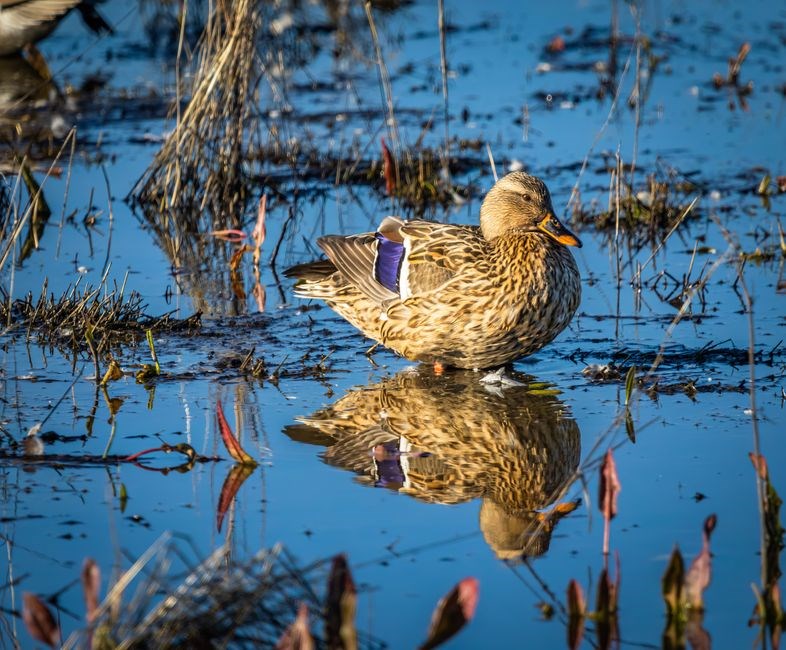
Equipment Checklist
Before heading out on a guided duck hunt in Washington, bring a reliable 12‑gauge or 20‑gauge shotgun, preferably with a waterproof, wind‑proof shotgun case and a sturdy, insulated bag for ammunition. Include a high‑visibility vest, a waterproof jacket, and layered clothing for variable weather. A quality, large‑eye binoculars or spotting scope is essential for spotting distant flocks. A GPS unit or detailed map of the hunting area, along with a compass, helps navigate wetlands and avoid restricted zones. A durable, waterproof field guide to local waterfowl species aids identification and enhances the experience. Pack a set of duck calls—both mechanical and hand‑crafted—plus a call‑box or a small, insulated container to keep calls dry. A lightweight, waterproof backpack with compartments for water, snacks, and a first‑aid kit is vital. Bring a portable, solar‑powered charger for electronics, a headlamp or flashlight with extra batteries, and a compact, high‑capacity power bank. A small, collapsible tarp or shade cloth protects against sudden rain or sun glare. Finally, include a personal safety kit: a whistle, a multi‑tool, a firestarter, and a small, waterproof, high‑visibility flag for emergency signaling. Always check local regulations for gear restrictions and ensure all equipment meets Washington State wildlife guidelines. Additionally, bring a waterproof, insulated duffel bag, a portable stove, a high‑capacity water bottle, a small, collapsible fishing rod, a pair of polarized sunglasses, a durable, weather‑proof hat, a set of spare shotgun shells, a small, lightweight tarp, a compact, high‑definition camera for documentation, and a portable, solar‑powered charger for your phone. Check the weather forecast and bring a rain poncho if needed. Pack a reusable water bottle Enjoy!
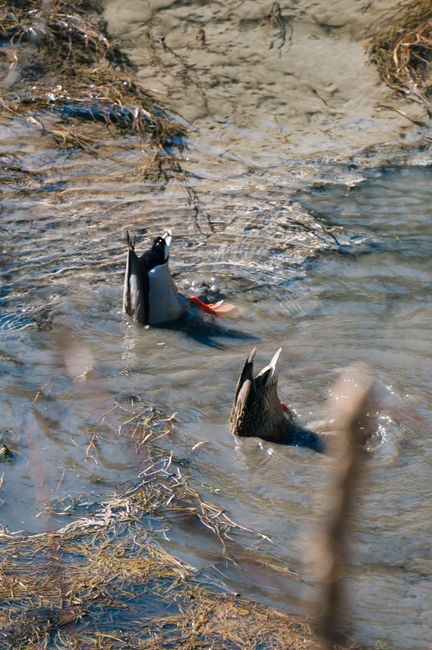
Duck Calling Techniques
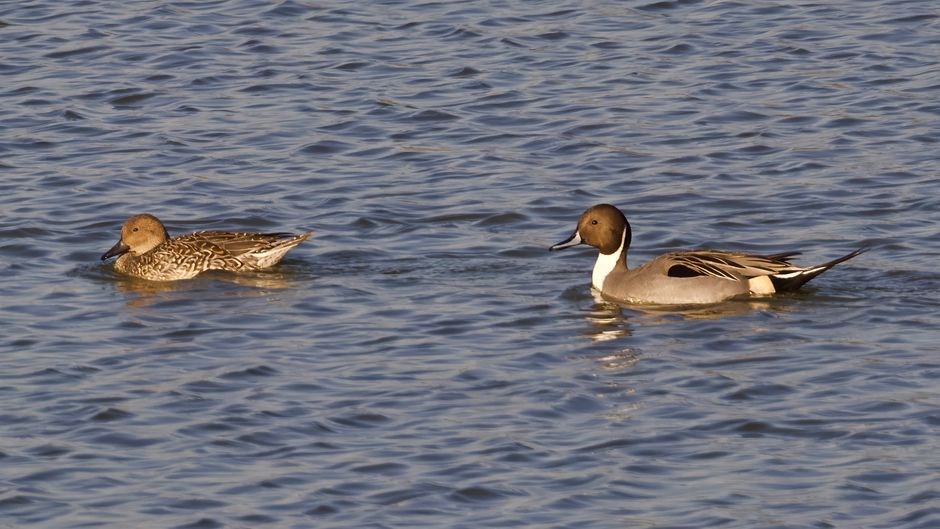
Mastering duck calls is essential for a successful guided hunt in Washington. Experienced guides emphasize three core techniques: natural imitation, timing and rhythm, and terrain‑aware placement; Natural imitation involves mimicking the exact pitch, cadence, and volume of local species such as the Mallard, Northern Pintail, and American Black Duck. Guides recommend practicing with a duck call kit that includes a long‑range, low‑frequency model for distant flocks and a short‑range, high‑frequency model for close encounters. Timing and rhythm are critical; a steady, moderate tempo attracts ducks, while abrupt, erratic calls can drive them away. Use a metronome or a simple pulse of 60–80 beats per minute to maintain consistency. Terrain‑aware placement means positioning the call relative to wind direction and water bodies. Place the call downwind of the target area to let the sound drift toward the ducks, and use natural cover such as reeds or willow to mask human presence. Guides also teach the “soft‑call” technique, where a gentle, breath‑controlled call is used near the water’s edge to avoid startling the flock. Finally, practice call blending—combining multiple calls in a single sequence to simulate a realistic hunting environment. Consistent practice, coupled with guidance from seasoned professionals, will refine your calling skill and increase your success rate on guided hunts across Washington’s diverse wetlands.
Practice, patience, and listening to the water help refine your calls and improve success.during each hunt, listen!?