

Frigidaire Dishwasher Parts Manual: A Comprehensive Guide
Today’s date is 04/01/2026 04:32:01․ This manual expertly guides you through Frigidaire dishwasher components, fostering creativity and innovation for optimal appliance performance and longevity․

Frigidaire has a long-standing reputation for producing reliable and innovative kitchen appliances, and their dishwashers are no exception․ From basic models to sophisticated, feature-rich designs, Frigidaire offers a dishwasher to suit every household’s needs and budget․ Understanding the core components and how they function is crucial for effective maintenance and repair․
This guide focuses on providing detailed information about Frigidaire dishwasher parts, empowering you to diagnose issues and perform repairs confidently․ Whether you own a Frigidaire Gallery, Professional, or standard model, this manual will serve as a valuable resource․ We’ll explore everything from spray arms and filters to pumps and control boards, ensuring you have the knowledge to keep your dishwasher running smoothly for years to come․ Welcome to enhanced appliance care!
Understanding Your Dishwasher Model Number
Locating your Frigidaire dishwasher’s model number is the first step towards finding the correct parts and diagrams․ This unique identifier is essential for accurate parts identification and ensures compatibility․ The model number is typically found on a sticker located inside the dishwasher door, on the frame when the door is open, or on the back of the appliance․
This number consists of letters and numbers, providing specific information about the dishwasher’s features and manufacturing date․ When ordering parts, always double-check the model number to avoid ordering incorrect components․ Utilizing the correct model number streamlines the repair process and guarantees a proper fit․ Accurate identification is key to successful dishwasher maintenance and repair!
Locating the Parts Diagram for Your Specific Model
Once you have your Frigidaire dishwasher’s model number, finding the corresponding parts diagram is crucial for repairs․ Several online resources offer detailed exploded views of your dishwasher, illustrating each component’s location and part number․ Official Frigidaire websites and reputable third-party appliance parts retailers are excellent starting points․
These diagrams visually represent the dishwasher’s assembly, making it easier to identify the specific part you need to replace․ Many websites offer interactive diagrams where you can click on a component to view its details and order information․ Utilizing these diagrams significantly simplifies the repair process, ensuring you order the correct replacement parts for your specific Frigidaire model․
Essential Dishwasher Components
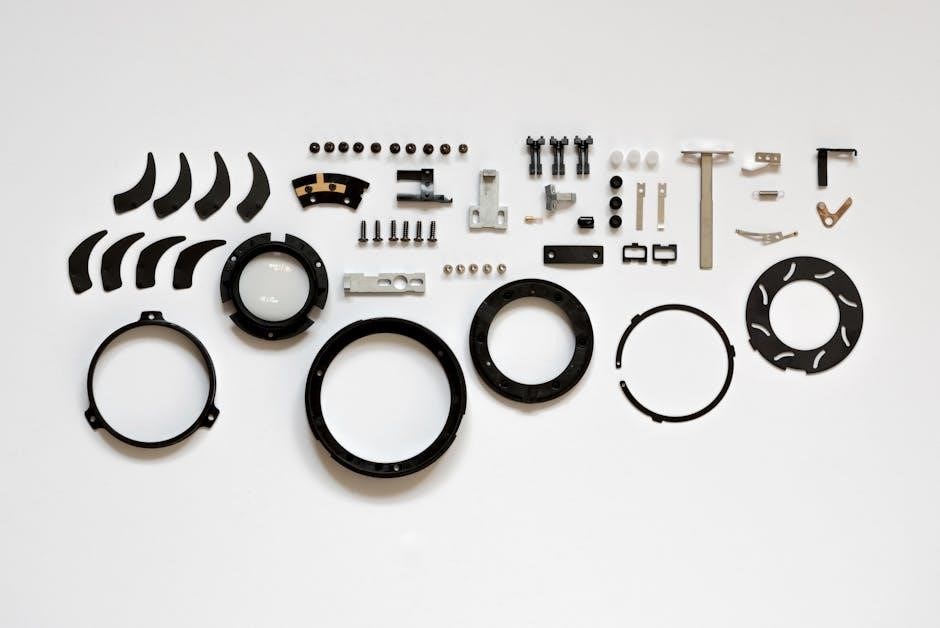
Dishwashers rely on key parts, including spray arms, filters, water inlet valves, and drain pumps, to function efficiently and deliver sparkling clean dishes consistently․
Spray Arms & Wash Impellers
Frigidaire dishwashers utilize spray arms and wash impellers to distribute water throughout the interior, effectively removing food particles and grime from dishes․ These components are crucial for achieving a thorough clean․ Spray arms, typically located on the bottom, middle, and sometimes top rack, rotate and spray water with considerable force․
Wash impellers, often found in newer models, create a swirling water action, enhancing cleaning performance․ Over time, these parts can become clogged with debris, reducing their effectiveness․ Inspecting and cleaning the spray arm holes regularly is vital․ Damaged or worn spray arms should be replaced to maintain optimal dishwasher performance․ Identifying the correct replacement part based on your specific model number is essential for a proper fit and function․
Filters & Filter Assemblies
Frigidaire dishwashers employ filters and filter assemblies to trap food particles and prevent them from recirculating during the wash cycle․ These filters are essential for maintaining clean dishes and preventing drain clogs․ Typically, Frigidaire dishwashers feature a combination of a coarse filter and a fine filter, working together to capture varying sizes of debris․
Regularly cleaning these filters – usually after every few loads – is crucial for optimal performance․ A clogged filter reduces water flow and cleaning efficiency․ Removing and rinsing the filters under warm water is generally sufficient․ Inspect the filter assembly for any damage, such as cracks or tears, and replace if necessary․ Using the correct replacement filter, matched to your dishwasher model, ensures proper fit and effective filtration․
Water Inlet Valve & Float Switch
The water inlet valve controls the flow of water into your Frigidaire dishwasher, opening and closing based on signals from the control board․ A faulty valve can prevent water from entering, or cause overfilling․ The float switch is a safety device that prevents overfilling by detecting the water level and signaling the valve to shut off․
Diagnosing issues with these components often involves checking for electrical continuity with a multimeter․ A malfunctioning float switch may not rise or fall properly, or may be physically damaged․ Replacement requires disconnecting the water supply and electrical connections․ Ensure the new valve and switch are compatible with your specific Frigidaire model to guarantee proper operation and prevent leaks․
Drain Pump & Drain Hose
The drain pump expels wastewater from your Frigidaire dishwasher during the drain cycle․ Connected to the drain hose, it forces water through the drain system, typically to your garbage disposal or a dedicated drain pipe․ A failing drain pump often presents as the dishwasher not draining completely, leaving standing water at the bottom․ The drain hose itself can become clogged with food particles or kinked, restricting water flow․
Troubleshooting involves checking the pump for obstructions and testing its electrical continuity․ Inspect the hose for kinks, cracks, or blockages․ Replacement requires disconnecting both electrical and plumbing connections․ Always verify compatibility with your dishwasher model for a secure fit and effective drainage․
Common Frigidaire Dishwasher Problems & Parts
Diagnosing issues like poor cleaning, drainage failures, leaks, or start-up problems requires identifying the faulty part for effective repair and restoration of function․
Dishwasher Not Cleaning Properly ౼ Spray Arm Issues
Insufficient cleaning performance often stems from problems with the spray arms and wash impellers․ These components are responsible for distributing water throughout the dishwasher during cycles, ensuring thorough cleaning of dishes․ Common issues include clogged spray arm nozzles, blocked with food particles or mineral deposits, reducing water pressure and coverage․
Damaged or cracked spray arms can also hinder effective cleaning․ Inspect the spray arms for any visible damage, and ensure they rotate freely․ A faulty wash impeller, the component that drives the spray arms, can also cause inadequate cleaning․
Replacement parts typically include the upper and lower spray arms, as well as the wash impeller․ Regularly cleaning the spray arm nozzles with a toothpick or small brush can prevent clogs and maintain optimal performance․ Addressing spray arm issues is a relatively simple repair that can significantly improve your dishwasher’s cleaning capabilities․
Dishwasher Not Draining, Drain Pump & Hose Diagnosis
A dishwasher failing to drain typically points to issues with the drain pump or the drain hose․ The drain pump is responsible for expelling wastewater from the dishwasher, while the drain hose carries this water to the sink drain or garbage disposal․ Begin by checking the drain hose for kinks or obstructions, ensuring a clear pathway for water flow․
A clogged drain pump is a frequent culprit․ Food particles and debris can accumulate within the pump, hindering its operation․ Inspect the pump for blockages and clear any obstructions․
Replacement parts often include the drain pump and the drain hose․ Testing the drain pump with a multimeter can confirm its functionality․ If the pump isn’t receiving power, investigate potential electrical issues․ Addressing these components restores proper drainage and prevents water buildup within the dishwasher․
Dishwasher Leaking — Door Gasket & Water Inlet Valve
Dishwasher leaks are often traced to the door gasket or the water inlet valve․ The door gasket creates a watertight seal around the dishwasher door; a damaged or worn gasket allows water to escape during operation․ Carefully inspect the gasket for cracks, tears, or deterioration, and replace it if necessary to restore the seal․
The water inlet valve controls the flow of water into the dishwasher․ A faulty valve can leak, even when the dishwasher isn’t actively filling․ Examine the valve for signs of corrosion or damage․
Replacement parts include the door gasket and the water inlet valve․ Ensuring these components are in good condition prevents water damage and maintains efficient dishwasher performance; Proper sealing and valve function are crucial for leak-free operation․
Dishwasher Not Starting — Control Board & Thermal Fuse
A dishwasher failing to start often points to issues with the control board or the thermal fuse․ The control board acts as the dishwasher’s brain, orchestrating all functions․ A malfunctioning control board can prevent the dishwasher from powering on or initiating a cycle․ Diagnostic testing is crucial to confirm a faulty control board․
The thermal fuse is a safety device that protects the dishwasher from overheating․ If it blows, it cuts power to the appliance, preventing it from starting․
Replacement parts include the control board and the thermal fuse․ Replacing these components can restore functionality․ Always disconnect power before attempting any repairs, and consult a qualified technician if unsure․
Replacing Dishwasher Parts: A Step-by-Step Approach
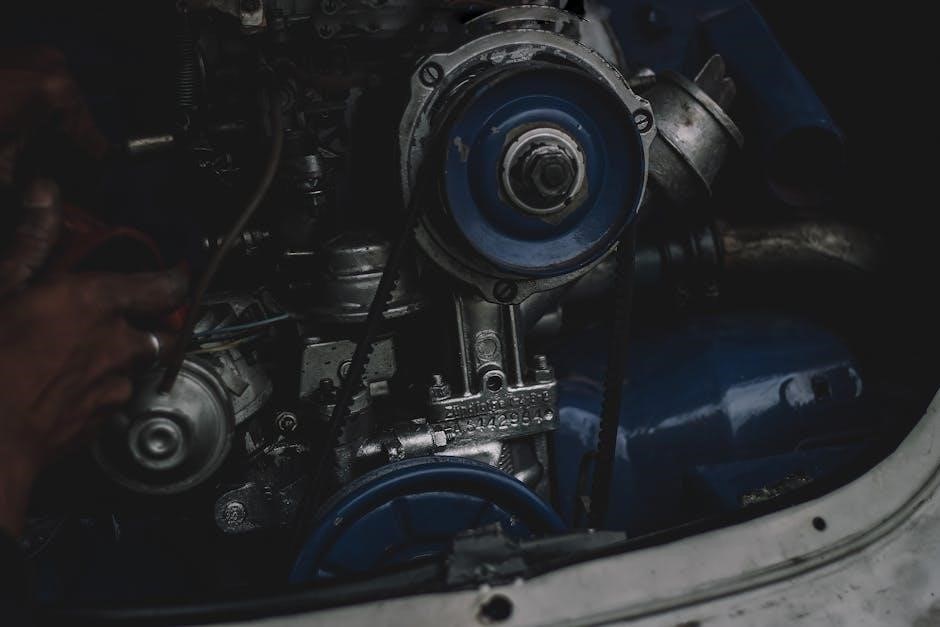
Prioritize safety first! This section details a methodical repair process, ensuring successful component replacement and restoring your Frigidaire dishwasher’s optimal functionality․
Safety Precautions Before Repair
Crucially, disconnect the power supply to your Frigidaire dishwasher before commencing any repair work․ This prevents electrical shock and ensures your safety․ Locate the circuit breaker controlling the dishwasher and switch it off․ Confirm power is off using a non-contact voltage tester․
Turn off the water supply to the dishwasher․ Usually, there’s a shut-off valve located under the sink․ Protect your flooring with towels or a drop cloth to catch any potential water spills during disassembly․ Wear appropriate safety glasses to shield your eyes from debris․
Be mindful of sharp edges on internal components․ Gloves are recommended to protect your hands․ If dealing with glass parts, handle them with extra care to avoid breakage; Always consult the parts diagram for proper component orientation during reassembly․ Remember, safety is paramount throughout the entire repair process․
Tools Required for Dishwasher Repair
A Phillips head screwdriver is essential for removing various dishwasher panels and components․ A flathead screwdriver will also be needed for certain clips and fasteners․ Pliers, including needle-nose pliers, are useful for gripping and manipulating small parts and connectors․ A socket set with various sizes is crucial for accessing bolts securing the pump and motor․
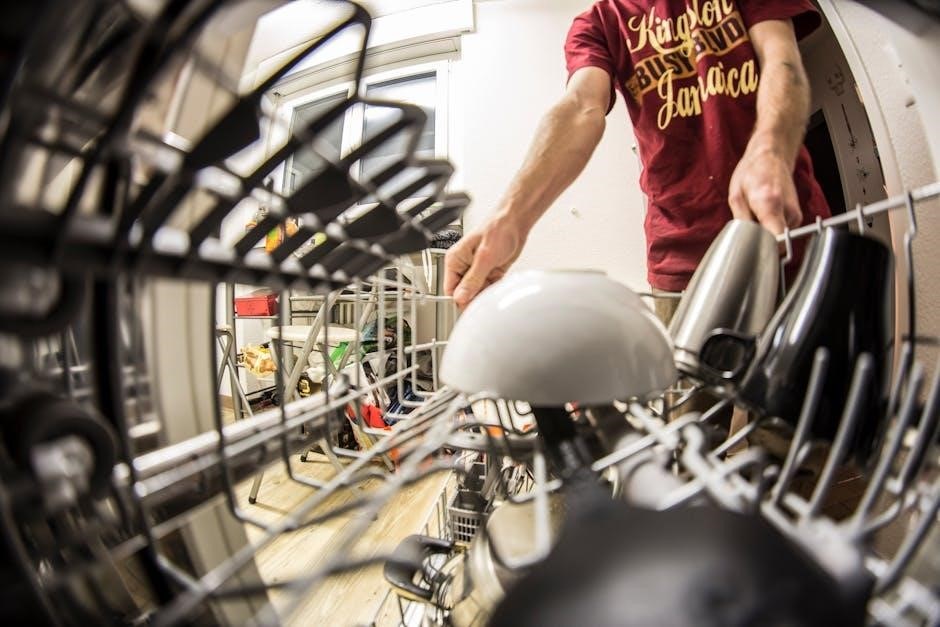
A multi-meter is vital for testing electrical components like the heating element and control board․ Wire strippers/crimpers are needed if any wiring repairs are necessary․ Don’t forget a non-contact voltage tester to confirm power is off․ A bucket and towels are essential for managing water spills․ Finally, a work light will improve visibility inside the dishwasher cabinet․
Accessing Internal Components
Disconnecting power is the paramount first step – locate the breaker and switch it off․ Next, remove the lower access panel, typically held by screws at the base of the dishwasher․ This reveals the drain pump and wiring connections․ To reach the circulation pump and motor, you’ll likely need to remove the lower spray arm and potentially the filter assembly․
The side panels are usually secured with screws along the dishwasher’s sides, granting access to internal plumbing and the control board․ Carefully detach wiring harnesses, noting their positions for reassembly․ Remember to support components as you remove them to prevent damage․ Document everything with photos for easier reinstallation!

Where to Purchase Frigidaire Dishwasher Parts
Locate official Frigidaire websites and trusted third-party retailers for genuine parts, utilizing convenient parts lookup tools for accurate component identification and ordering․
Official Frigidaire Parts Websites
Navigating the official Frigidaire parts websites is the most reliable method for sourcing genuine replacement components for your dishwasher․ These platforms guarantee compatibility and quality, ensuring optimal performance and maintaining your appliance’s warranty․ Frigidaire’s dedicated parts portals typically feature detailed diagrams, searchable databases, and model-specific listings, simplifying the identification process․
Users can input their dishwasher’s model number to access a curated selection of parts tailored to their specific unit․ Furthermore, these websites often provide helpful resources like installation guides and troubleshooting tips, empowering homeowners to tackle repairs independently․ Direct purchasing from Frigidaire eliminates concerns about counterfeit parts and ensures access to the latest revisions and updates․ Expect competitive pricing and secure online transactions when ordering directly from the manufacturer’s official channels․
Third-Party Appliance Parts Retailers
Numerous reputable third-party retailers specialize in appliance parts, offering a broader selection and potentially lower prices compared to official Frigidaire channels․ These retailers often carry both genuine Frigidaire parts and compatible aftermarket alternatives, providing consumers with diverse options․ Popular platforms include appliancepartsPros, RepairClinic, and Sears PartsDirect, each boasting extensive inventories and user-friendly interfaces․
When utilizing these retailers, verifying part compatibility is crucial․ Utilize the model number lookup tools provided on their websites and carefully review product descriptions․ Consider customer reviews and ratings to gauge the quality and reliability of both the parts and the retailer․ While aftermarket parts can be cost-effective, they may not meet the same standards as genuine Frigidaire components, potentially impacting performance or longevity․
Using Parts Lookup Tools
Efficiently identifying the correct replacement parts relies heavily on utilizing parts lookup tools․ Both official Frigidaire websites and third-party retailers offer these invaluable resources, streamlining the process and minimizing errors․ These tools typically require your dishwasher’s complete model number – a crucial piece of information for accurate results․ Inputting the model number generates a detailed parts diagram specific to your appliance․
These diagrams visually represent each component, often with corresponding part numbers for easy identification․ Many tools also allow you to search by part name or symptom, offering alternative search methods․ Always double-check the part number against your existing component before ordering to ensure compatibility․ Utilizing these tools significantly reduces the risk of purchasing incorrect parts, saving time and frustration․

Advanced Troubleshooting & Parts
Delving deeper, this section explores complex diagnostics like control board failures and heating element issues, requiring specialized parts and careful examination․
Control Board Diagnostics & Replacement
The control board is the brain of your Frigidaire dishwasher, orchestrating all functions from wash cycles to draining․ Diagnosing issues requires a systematic approach; begin by visually inspecting the board for burnt components or capacitor swelling․ A multimeter is crucial for testing voltage and continuity, identifying failed relays or triacs․
Before replacement, disconnect power! Carefully document wiring connections with photos to ensure correct reassembly․ When selecting a replacement, always use the exact part number for your specific model․ Improper control boards can cause further damage․ Installation involves reversing the disconnection process, meticulously reconnecting each wire․ Post-installation, run a test cycle, observing for proper operation and error codes․ If problems persist, double-check connections and consider professional assistance․
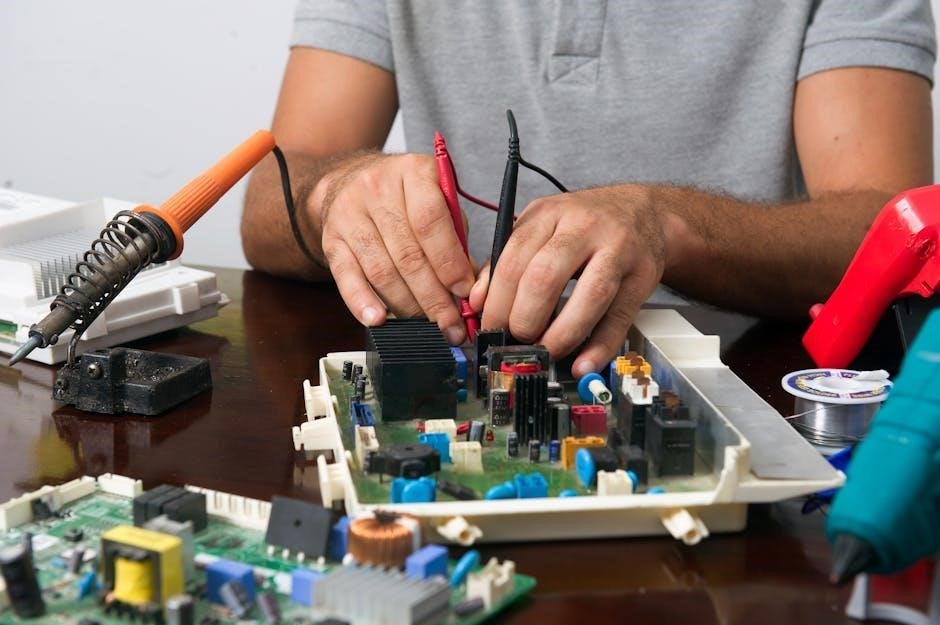
Heating Element & Thermostat Issues
Insufficient water heating often stems from a faulty heating element or a malfunctioning thermostat․ A broken heating element prevents proper water temperature for effective cleaning, resulting in residue on dishes․ Use a multimeter to test the element for continuity; no continuity indicates a failed element requiring replacement․
The thermostat regulates water temperature, and a defective one can cause overheating or insufficient heating․ Testing the thermostat involves checking its resistance; values outside the specified range indicate failure․ Always disconnect power before accessing these components․ Replacement is straightforward, but ensure secure connections․ After installation, monitor the dishwasher during a cycle to verify proper heating and temperature regulation․ If issues continue, inspect wiring and connections thoroughly․